Construction
Skid Steers: The Versatile Workhorse of the Construction Industry
•0 minute read
Skid Steers: The Versatile Workhorse of the Construction Industry
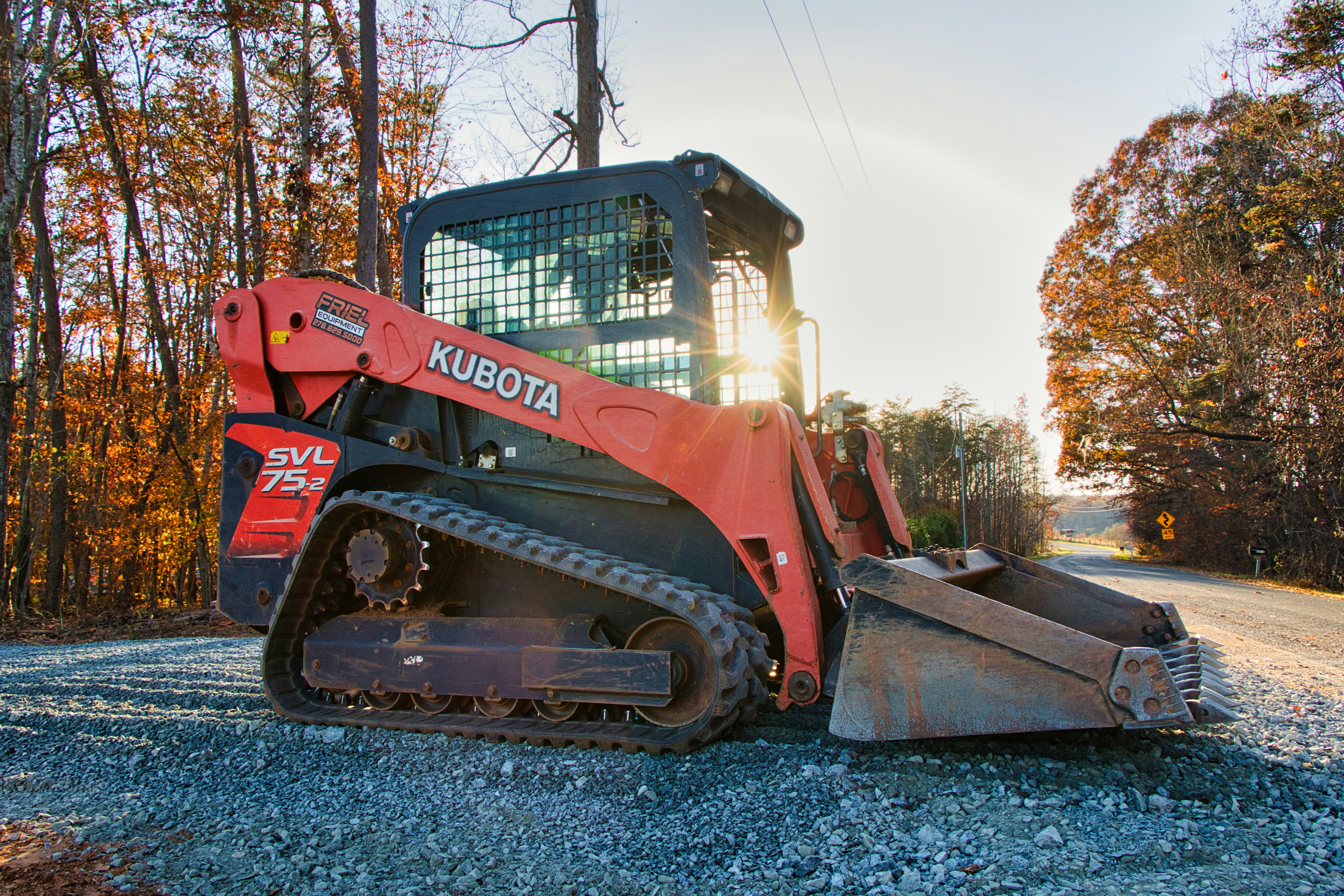
Skid steers are one of the most versatile and widely used machines in the construction industry. Often referred to as skid loaders, skids, or Bobcats, these compact machines are designed to handle a wide range of tasks across construction, landscaping, agriculture, and municipal projects.
Thanks to their compact size, tight turning radius, and ability to accept dozens of attachments, skid steers are ideal for working in confined spaces and demanding job-site conditions.
In this guide, we’ll break down:
What a skid steer is
Common sizes and specifications
Popular applications and attachments
Financing options for skid steers in Canada
What Is a Skid Steer?
A skid steer is a compact, engine-powered machine equipped with lift arms that support interchangeable attachments. Its defining feature is its ability to turn by skidding its wheels or tracks, allowing it to pivot in place and operate efficiently in tight spaces.
Skid steers are commonly used in:
Construction
Landscaping
Farming and agriculture
Snow removal
Demolition and site prep
With the right attachment, a skid steer can dig, grade, lift, drill, trench, clear snow, and more—making it one of the most flexible machines on any job site.
Top Skid Steer Brands
Several manufacturers dominate the skid steer market, each offering machines with varying capabilities, sizes, and performance levels. Some of the most well-known brands include:
Bobcat
Caterpillar (CAT)
John Deere
New Holland
When choosing a skid steer, brand reputation matters—but so does selecting the right machine for your workload, attachments, and operating environment.
Skid Steer Sizes and Specifications
Skid steers come in a wide range of sizes, from small-frame machines designed for tight urban job sites to larger, heavy-duty models built for demanding construction work.
Key specifications to consider include:
Horsepower
Operating weight
Rated operating capacity
Lift height and reach
Hydraulic flow
Smaller machines excel in confined spaces, while larger skid steers are better suited for heavier attachments, grading, demolition, and material handling. Choosing the right size ensures optimal performance and avoids overloading the machine.
Common Skid Steer Applications
Skid steers are valued for their ability to handle multiple tasks with minimal downtime. Common applications include:
Excavation and Grading
Skid steers are frequently used for site preparation, trench backfilling, grading, and material movement thanks to their strong hydraulics and maneuverability.
Demolition
With attachments such as breakers, rippers, and demolition jaws, skid steers can remove concrete, asphalt, and small structures efficiently.
Snow Removal
Equipped with snow blowers or blades, skid steers are widely used for commercial and municipal snow clearing.
Landscaping
Skid steers handle digging, trenching, tilling, and soil prep with ease, making them a staple in landscaping operations.
Loading, Hauling, and Material Handling
From gravel and soil to pallets and debris, skid steers are ideal for loading, transporting, and organizing materials on site.
Popular Skid Steer Attachments
A major advantage of skid steers is their attachment compatibility. With the right attachment, one machine can replace several specialized pieces of equipment.
Common attachments include:
Buckets
Augers
Trenchers
Snow blades and blowers
Brush cutters
Forks
Rakes
Breakers
Backhoes
Grapples
Each attachment is designed for specific tasks, so selecting the right combination is critical for productivity and safety.
Attachment Selection Considerations
When choosing skid steer attachments, consider:
The type of work being performed
Attachment weight and size
Machine capacity
Terrain and job-site conditions
Using attachments that exceed your skid steer’s rated capacity can reduce performance and increase wear—so matching the attachment to the machine is essential.
Financing Options for Skid Steers in Canada
Whether you’re purchasing a new or used skid steer, financing can make acquisition more affordable while preserving working capital.
At EFC Equipment Finance Canada, we specialize in construction equipment financing, including skid steers and attachments. We work with a broad network of Canadian lenders to structure financing solutions that fit your business—regardless of size or credit profile.
👉 Learn more about our construction equipment solutions on our Equipment Financing page.
Benefits of Financing a Skid Steer
Improved Affordability
Financing allows you to spread the cost of equipment over time, reducing the need for large upfront payments.
Flexible Structures
Choose from lease-to-own options, loans, or structured leases based on your cash flow and long-term plans.
Preserve Working Capital
Instead of tying up capital in equipment, financing keeps cash available for payroll, fuel, growth, and operations.
Potential Tax Advantages
Depending on the structure, payments may be deductible as a business expense. Always consult your accountant.
Why Finance Your Skid Steer With EFC?
EFC Equipment Finance Canada helps contractors and construction businesses finance:
New and used skid steers
Attachments bundled into the financing
Startup and established operations
Our team handles lender matching, paperwork, and negotiations—making the process fast and straightforward.
👉 Ready to get started? Visit our
Apply Now page to get pre-qualified.
Key Takeaways
Skid steers are a core piece of equipment for construction and landscaping businesses due to their versatility, compact size, and attachment compatibility. With the right machine and financing structure, they can significantly improve job-site efficiency and profitability.
Whether you’re upgrading equipment or expanding your fleet, EFC Equipment Finance Canada can help you secure the right financing solution for your skid steer and attachments—quickly and competitively.